The Anti-lock Braking System (ABS) has become one of the most important safety advancements in modern motorcycling, significantly reducing the risk of accidents. Its primary function is to prevent wheels from locking up during hard or emergency braking. When a wheel locks, the motorcycle can skid, leading to a complete loss of control. ABS technology addresses this danger by using sensors to monitor wheel speed. If a sensor detects that a wheel is about to stop rotating while the bike is still in motion, the system rapidly modulates brake pressure—pulsing the brakes faster than any human could. This allows the rider to maintain steering control and stability, even on slippery surfaces like wet or gravel-covered roads.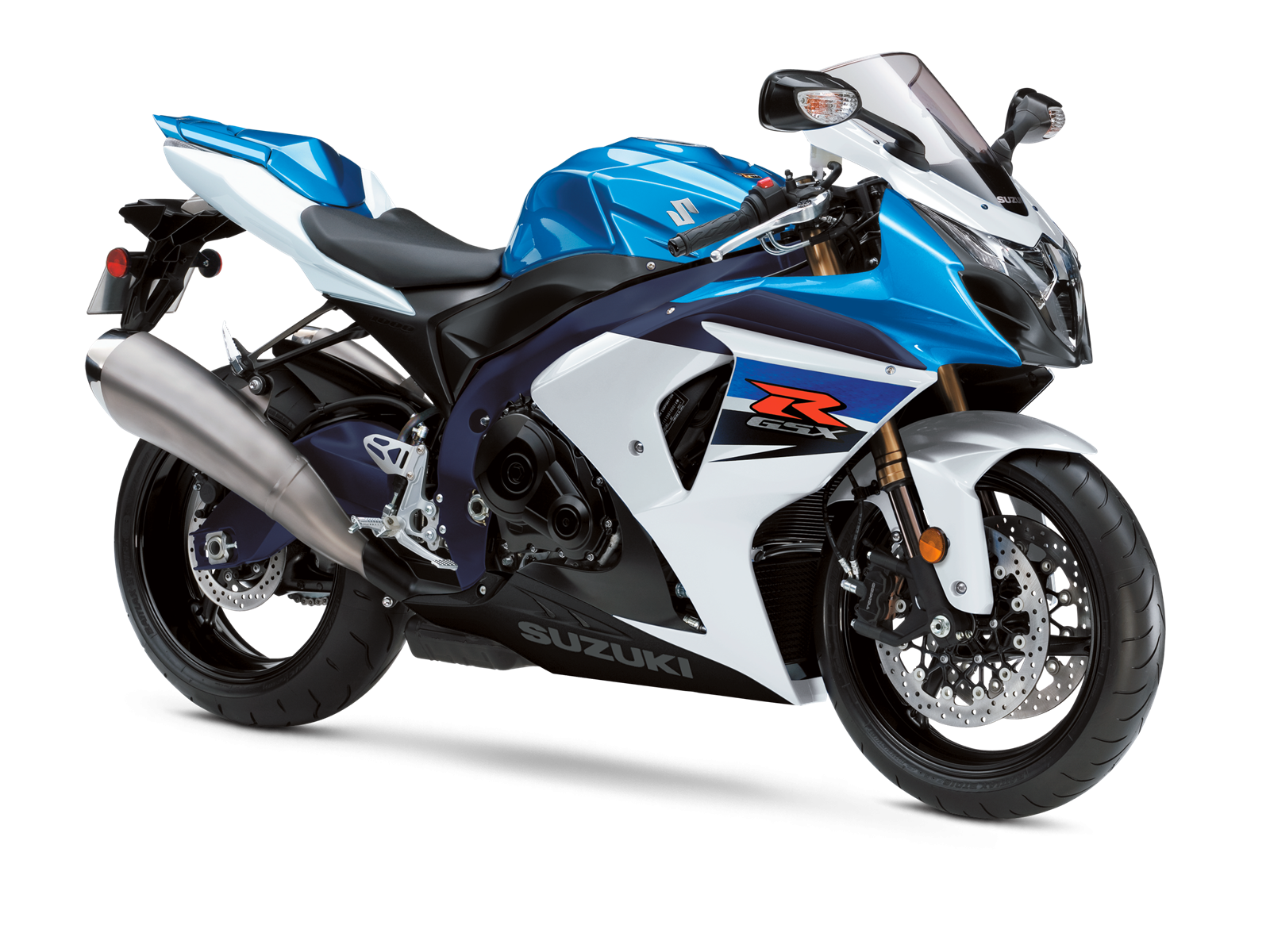
The impact of ABS on rider safety is undeniable. Studies have shown a significant reduction in accidents and fatalities for motorcycles equipped with this technology. It provides a crucial safety net for riders of all skill levels, from beginners who may panic-brake to experienced riders facing unexpected hazards. The system gives riders the confidence to apply maximum braking force when needed, without the fear of skidding. Recognizing its effectiveness, many countries have made ABS a mandatory feature on new motorcycles. As the technology continues to evolve with cornering-optimized systems, ABS remains a cornerstone of rider safety, making the road a safer place for everyone.
