Future mobility urban planning is actively redesigning our cities to be smarter, greener, and more efficient. As urban centers grow, planners are moving away from car-centric models and towards integrated transportation systems that prioritize sustainability and connectivity. This new approach involves creating multi-modal networks that seamlessly connect public transit, cycling, walking, and shared mobility services like e-scooters and bike-sharing. The goal is to reduce traffic congestion, lower emissions, and create more livable and people-friendly urban spaces. Smart infrastructure is a key component of this transformation, with cities using data and technology to manage traffic flow in real-time.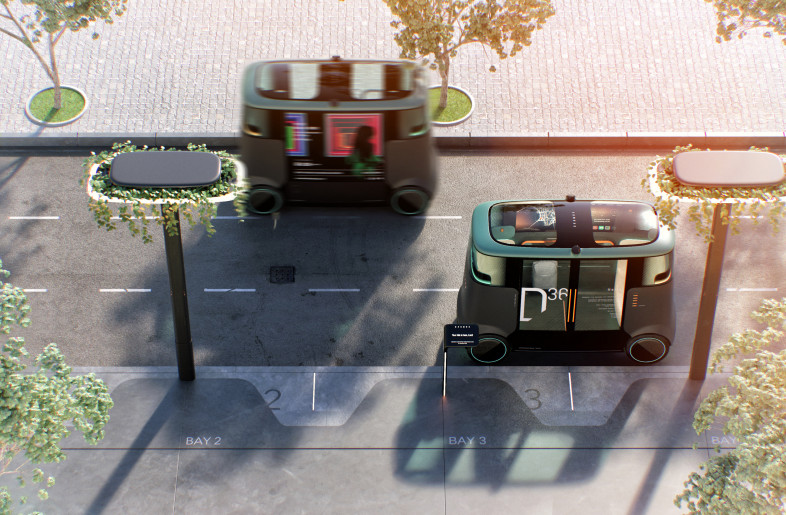
This planning extends to the physical layout of our cities. We are seeing the development of dedicated lanes for buses and bikes, the expansion of pedestrian-only zones, and the rise of concepts like the "15-minute city," where residents can access all their essential needs within a short walk or bike ride. This model promotes local living and reduces the dependency on long car commutes. Furthermore, urban planning is preparing for the rise of electric and autonomous vehicles by integrating charging stations into public spaces and designing roads that can accommodate self-driving technology. By thoughtfully shaping our urban environments, future mobility planning is laying the foundation for cities that are not only easier to navigate but are also healthier and more resilient.
