Motorcycle lean angle sensors are a groundbreaking technology dramatically improving rider safety and performance worldwide. These sophisticated systems measure the bike’s tilt angle during turns, feeding real-time data to its electronic control unit. This information is crucial for optimizing stability and control, especially in challenging cornering situations where balance is everything. By understanding how far the bike is leaning, the onboard computer can make intelligent adjustments to other safety systems, transforming the riding experience. This technology is a key component in modern traction control and anti-lock braking systems (ABS), making motorcycles smarter and more responsive than ever before.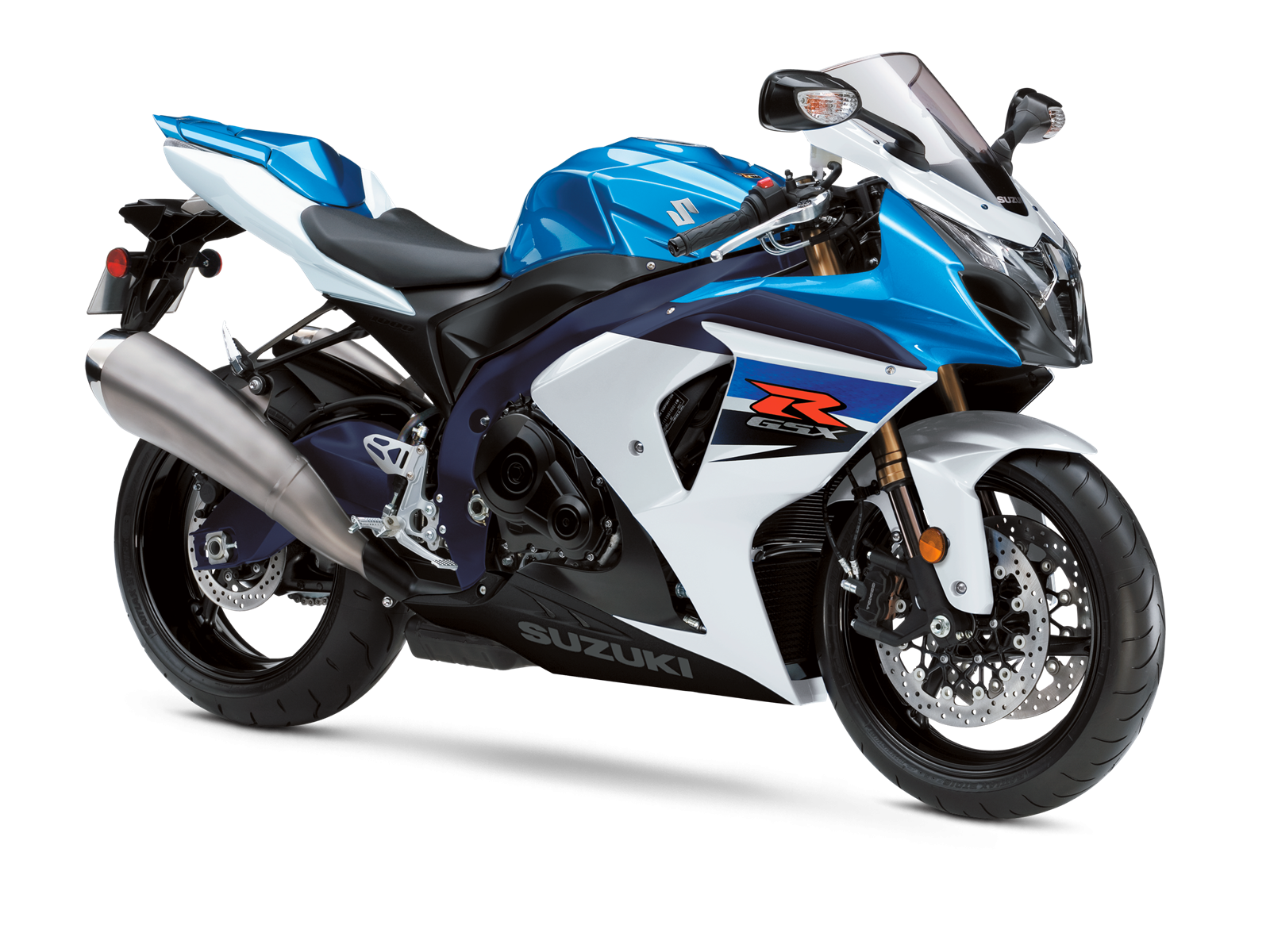
In practice, if a sensor detects an excessive lean angle that could lead to a loss of traction, it can signal the traction control system to gently reduce engine power, preventing a rear-wheel slide. Similarly, it enhances cornering ABS by modulating brake pressure to avoid wheel lockup, even when braking mid-turn. This level of intervention is invaluable for riders of all skill levels, providing a crucial safety net in unexpected situations. Beyond safety, this technology also boosts performance. Professional racers use lean angle data to analyze and refine their riding style, helping them achieve faster and more consistent lap times. As this innovation becomes standard in more motorcycles, it continues to redefine the boundaries of safety and performance on two wheels.
