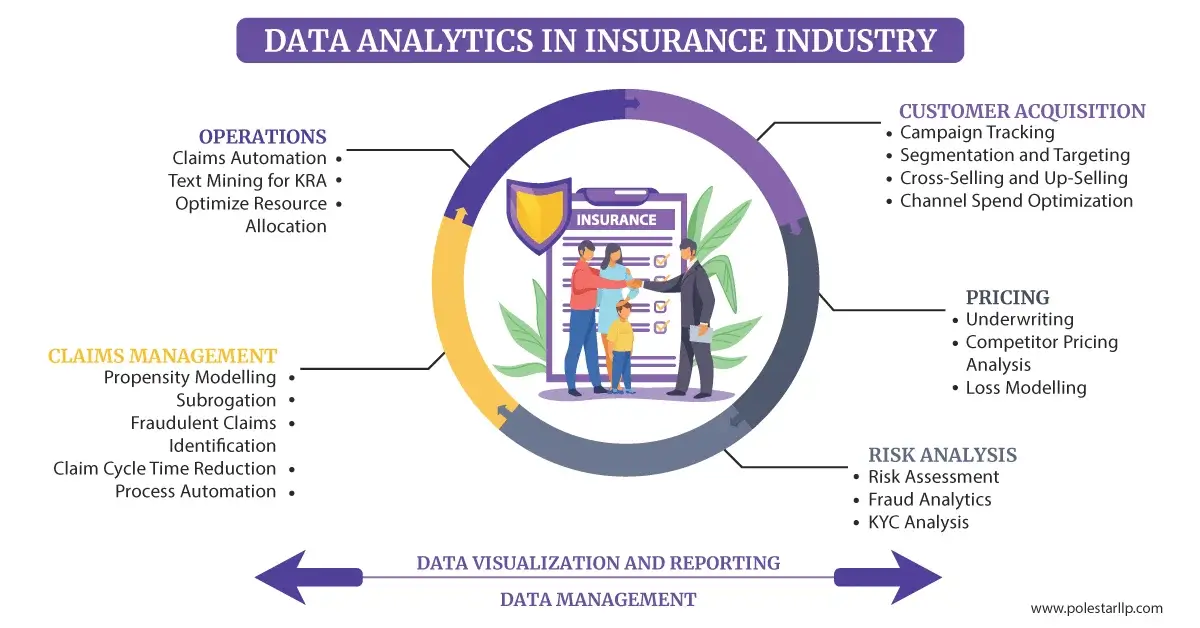
Insurance premium calculation has evolved far beyond traditional methods, now incorporating advanced technology to create more accurate and personalized pricing. Historically, insurers relied on broad demographic data and historical trends to determine risk. Today, the industry is embracing a data-driven approach, using artificial intelligence and machine learning to analyze vast datasets. This allows for a much more granular assessment of risk, leading to fairer and more competitive premium rates for consumers. The goal is to move from a one-size-fits-all model to one that reflects an individual's unique circumstances and behaviors.
A key trend in this evolution is the rise of dynamic pricing models, particularly in auto insurance. Telematics devices or smartphone apps monitor actual driving behavior—such as speed, braking habits, and mileage—and reward safe drivers with lower premiums. This usage-based approach is expanding into other areas as well, with health insurers using data from wearable devices to incentivize healthy lifestyles. While these innovations offer greater accuracy, they also raise important questions about data privacy and fairness. As the industry continues to advance, the future of insurance will depend on balancing technological progress with transparency and ethical responsibility, ensuring that these powerful tools are used to create a more equitable system for all policyholders.