Modern vehicles are becoming rolling supercomputers, and the key to their intelligence lies in an advanced network of automotive sensors. These sophisticated devices are the eyes and ears of the car, continuously collecting data about its surroundings and internal systems. This information is crucial for everything from enhancing safety to improving efficiency. The most prominent application is in Advanced Driver-Assistance Systems (ADAS). Technologies like LiDAR, radar, and cameras work together to create a 360-degree view around the vehicle, enabling features such as blind-spot detection, automatic emergency braking, and lane-keeping assist. These sensors can detect other cars, pedestrians, and obstacles with incredible precision, providing the data needed for the car to react and prevent accidents.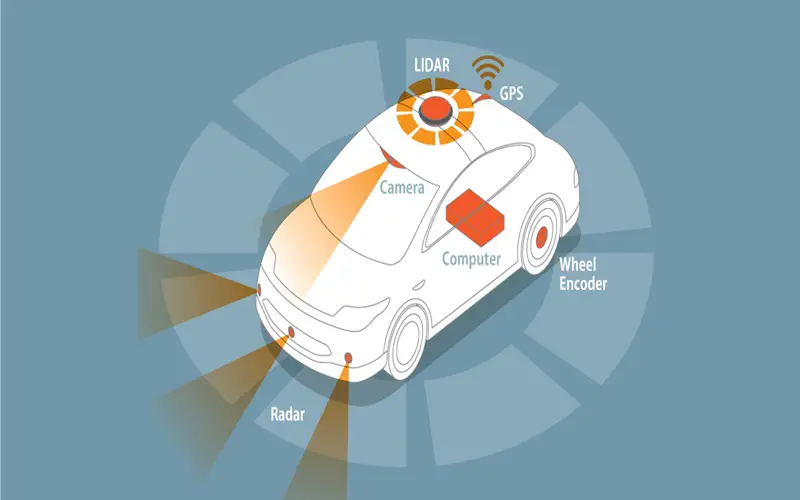
Beyond safety, sensors play a vital role in vehicle performance and sustainability. They monitor engine operation and exhaust gases to optimize fuel consumption and reduce emissions. In electric vehicles, sensors are essential for managing battery temperature and state of charge, which maximizes range and longevity. As the industry moves towards fully autonomous driving, the role of these sensors will only become more critical. The massive amounts of data they generate will feed into AI systems, allowing cars to navigate complex environments safely and efficiently. This fusion of sensor technology and artificial intelligence is the driving force behind a smarter, safer, and more connected future for mobility.
