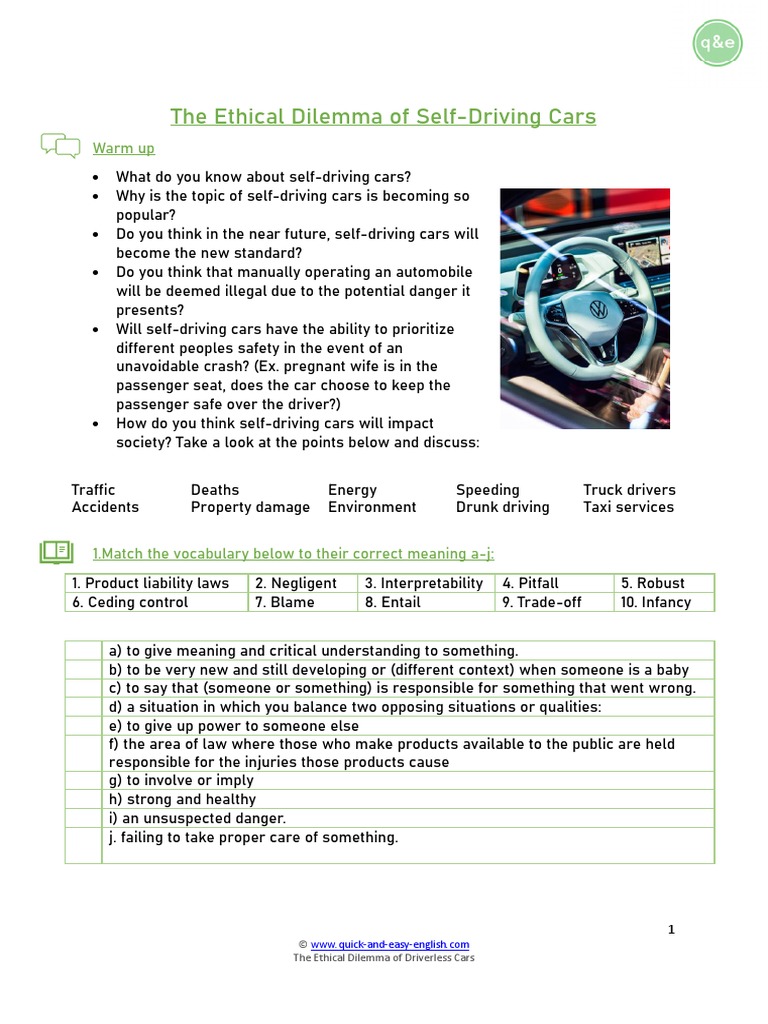
The rise of driverless cars promises a future with safer roads and greater efficiency, yet it also introduces profound ethical challenges that society must navigate. The most pressing dilemma revolves around accident scenarios. How should an autonomous vehicle be programmed to act in an unavoidable crash? Should it prioritize the safety of its occupants above all else, or should it be programmed to minimize overall harm, even if it means sacrificing its passenger? This is not just a technical question but a moral one, and there is no global consensus. Different cultures may hold different values, making a universal ethical algorithm difficult to establish.
Beyond crash algorithms, other ethical concerns loom large. Who is liable when a driverless car causes an accident—the owner, the manufacturer, or the software developer? This question of accountability is a complex legal puzzle that lawmakers are grappling with worldwide. Furthermore, the vast amounts of data collected by these vehicles raise significant privacy issues. This data could reveal sensitive information about a person's movements and habits, creating a need for robust data protection regulations. As we move closer to an autonomous future, it is essential to have a broad public dialogue to develop ethical frameworks that ensure this technology is deployed responsibly and in a way that aligns with our shared human values.